


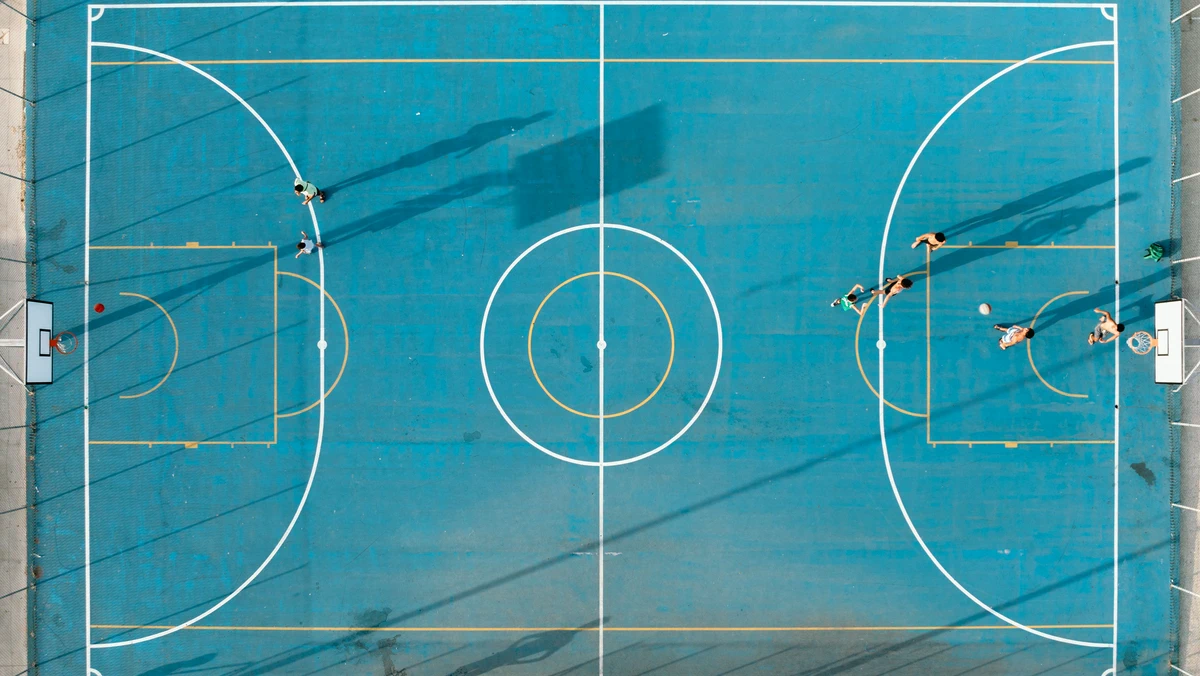
Your performances on the field, court or ice tell a story. But what happens when the final whistle blows?
Today, your sporting journey doesn't have to end when you leave the game. Building a strong online presence can help you showcase your abilities, track your development and make it easier for coaches, scouts, agents and other sports professionals to discover you.
Whether you're just starting out or already competing at a high level, your sports profile is your opportunity to show who you are as an athlete.
Here's how to make the most of it.
1. Start with the basics — make a strong first impression
Think of your sports profile as your digital sporting CV. When someone visits it, they should quickly understand who you are, what sport you play and where you are in your development.
Make sure your profile includes:
· A clear profile picture: Choose a recent, good-quality photo where you’re easily recognizable, ideally in a sporting environment.
· Accurate sporting information: Include your sport, position, current team and other relevant details.
· Your sporting background: Share a short introduction explaining your experience and ambitions.
· Relevant physical information: Where appropriate for your sport, include details such as height, weight and dominant side.
Keep your introduction simple, specific and genuine. You don't need to exaggerate your achievements or describe yourself as the next superstar.
Example of a strong athlete bio:
17-year-old central midfielder currently playing at U19 level. Strong passing ability, good game awareness and a passion for developing my technical skills. Working towards competing at a professional level.
The goal is to give visitors a clear picture of who you are in just a few seconds.
2. Let your performances do the talking
A strong sports profile goes beyond basic information. It's about showing what you can actually do.
One of the most effective ways to demonstrate your abilities is through highlight videos and short clips from games or training sessions.
Depending on your sport, these could include:
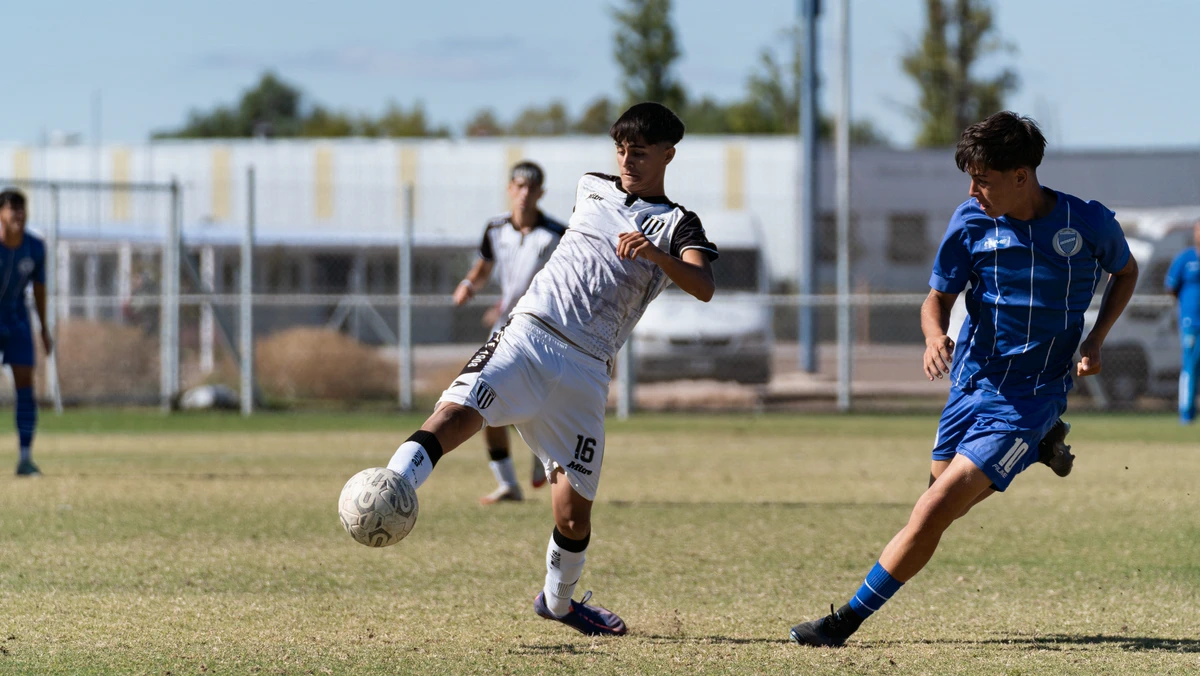
Football: Showcase your passing, positioning, defensive actions, decision-making and other skills relevant to your position.
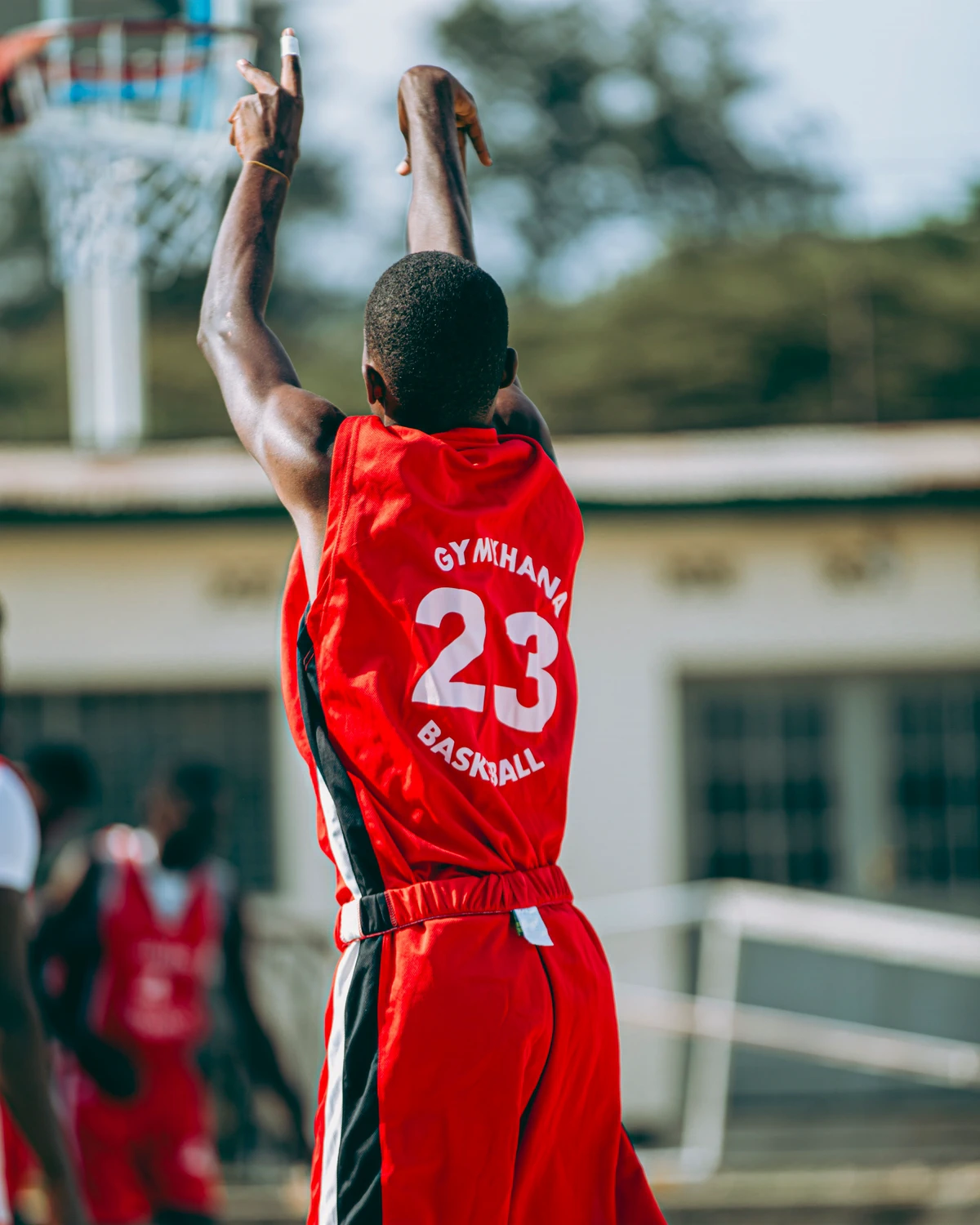
Basketball: Include shooting, playmaking, defensive sequences, rebounding and other moments that demonstrate your impact on the game.
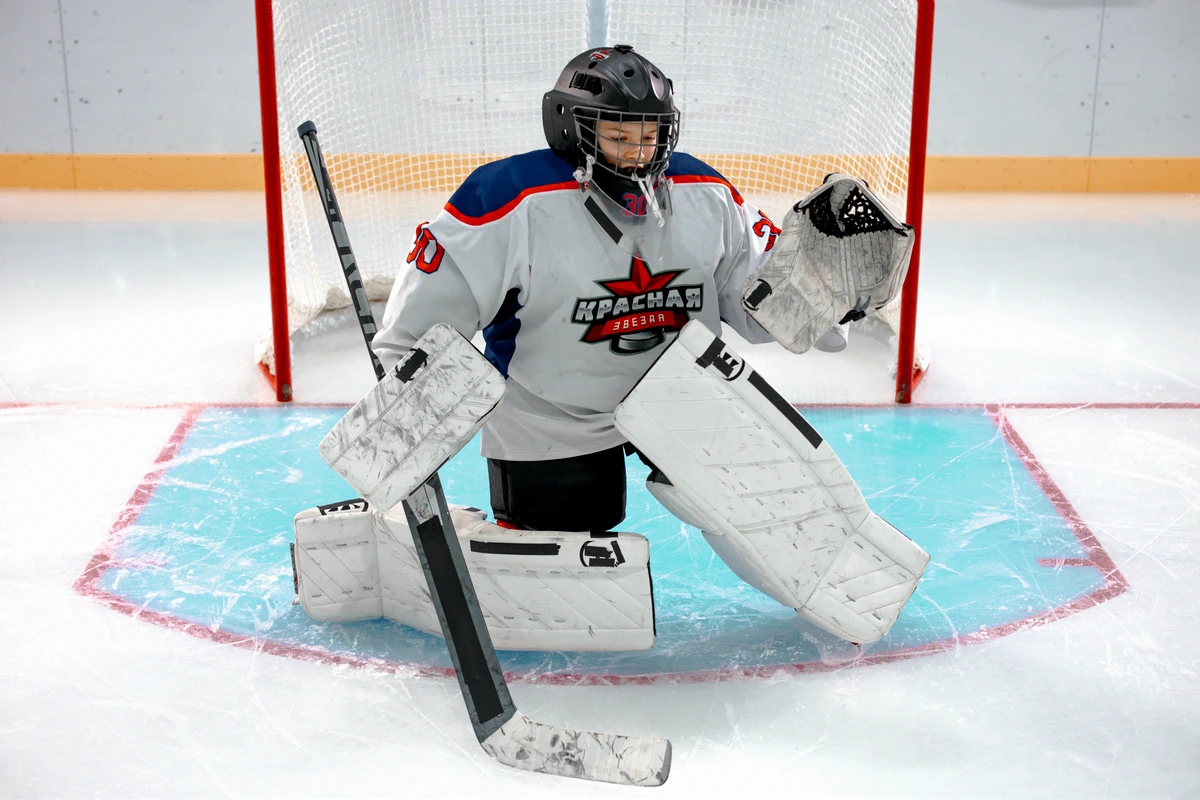
Ice hockey: Highlight your skating, puck handling, shooting, defensive awareness and overall game intelligence.
What makes a good highlight video?
You don't need professional cameras or expensive editing software. What matters most is the quality and relevance of the footage.
Choose clips where your actions are clearly visible. Put your strongest moments first, avoid unnecessary effects and keep the video focused.
Whenever possible, include footage from competitive games, not just training sessions. Coaches and scouts often want to understand how athletes perform under real match conditions.
And remember: a highlight video is an introduction, not a complete evaluation. Full-game footage can provide valuable additional context when requested.
3. Use statistics to show your development
Statistics can help tell the story behind your performances.
Goals, assists, points, rebounds, minutes played and other sport-specific metrics provide useful information about your contribution and progress.
However, numbers are most valuable when presented accurately and with context.
For example, scoring 15 points in a basketball game tells part of the story. Understanding the competition level, playing time and consistency across multiple games provides a much clearer picture.
When adding statistics to your TOD. profile:
· Keep them accurate and up to date.
· Focus on metrics relevant to your sport and position.
· Include the relevant season or competition where possible.
· Never exaggerate or invent your performances.
Consistency matters more than one exceptional game. Showing steady progress over time can be just as valuable as sharing an outstanding individual performance.
4. Celebrate your achievements — big and small
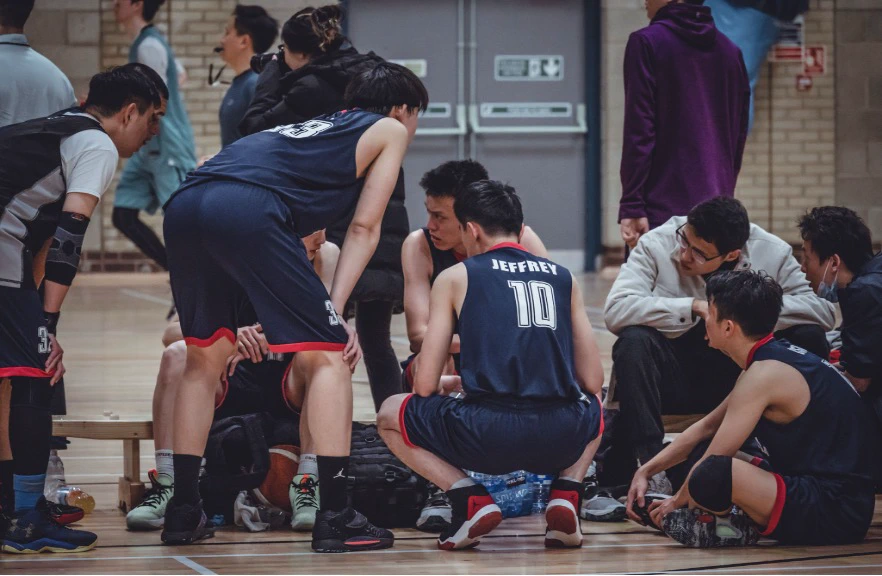
Your sporting journey is made up of milestones, and each one contributes to your development.
Making your first academy team, receiving a national team call-up, winning a championship or signing your first professional contract are all achievements worth documenting.
But your profile doesn't need to be filled with trophies to be meaningful.
Making the starting lineup, returning from an injury, improving a personal best or progressing to a higher competition level can also demonstrate dedication and growth.
Don't wait until you've achieved something extraordinary to start building your profile. Your journey is already worth documenting.
5. Build your network, not just your profile
Sport is about people as much as performance.
Throughout your career, you'll meet teammates, coaches, mentors and other professionals who can influence your development.
Building genuine relationships within the sporting community can help you learn from others, discover opportunities and gain different perspectives on your career.
TOD. is designed to help athletes connect with their peers and become more visible to coaches, scouts, agents, clubs and academies.
When connecting with others, remember to:
· Be respectful and professional.
· Personalize your messages instead of sending generic requests.
· Focus on building genuine relationships rather than simply collecting contacts.
· Be patient — meaningful connections take time.
For younger athletes, it's particularly important to involve parents or guardians when appropriate and be cautious about sharing personal information or responding to unfamiliar contacts.
A strong network isn't measured by how many people you know, but by the quality of the relationships you build.
6. Keep your profile active and authentic
Building a sports profile isn't something you do once and forget about.
As you develop, your profile should develop with you.
Share meaningful updates when you have something worth showing: a new highlight, an important game, a competition result, a training milestone or a personal achievement.
You don't need to post every day. Quality and consistency are more important than frequency.
Most importantly, be yourself.
You don't need to present a perfect version of your sporting career. Progress isn't always linear, and setbacks are part of every athlete's journey.
An authentic profile that reflects your dedication, achievements and development will tell a much more compelling story than one filled with exaggerated claims.
7. Think long-term — your profile grows with you
Your sporting career is a journey, not a single moment.
The profile you create today might look very different in two or three years. Your skills will improve, your experiences will grow and your ambitions may evolve.
By documenting your development from the beginning, you're building a record of how far you've come.
And when an opportunity arises — whether it's a trial, an academy application or a conversation with a scout — you'll already have a place where your sporting story is presented.
That doesn't guarantee recruitment or a professional contract. But it can make it easier for others to understand your background, abilities and progress.
Your journey deserves to be seen
Every athlete starts somewhere.
You don't need to play for a famous academy, have thousands of followers or already be competing professionally to start building your sporting presence.
What matters is taking ownership of your journey and giving yourself the opportunity to show what you're capable of.
Create your profile. Share your progress. Keep improving.
Your next opportunity might begin with someone discovering your story.
Your talent. Your journey. On display.
TOD. — TALENT ON DISPLAY
Build your sports profile, showcase your achievements and connect with the sporting community.
Explore TOD.: https://www.todtalents.com/