


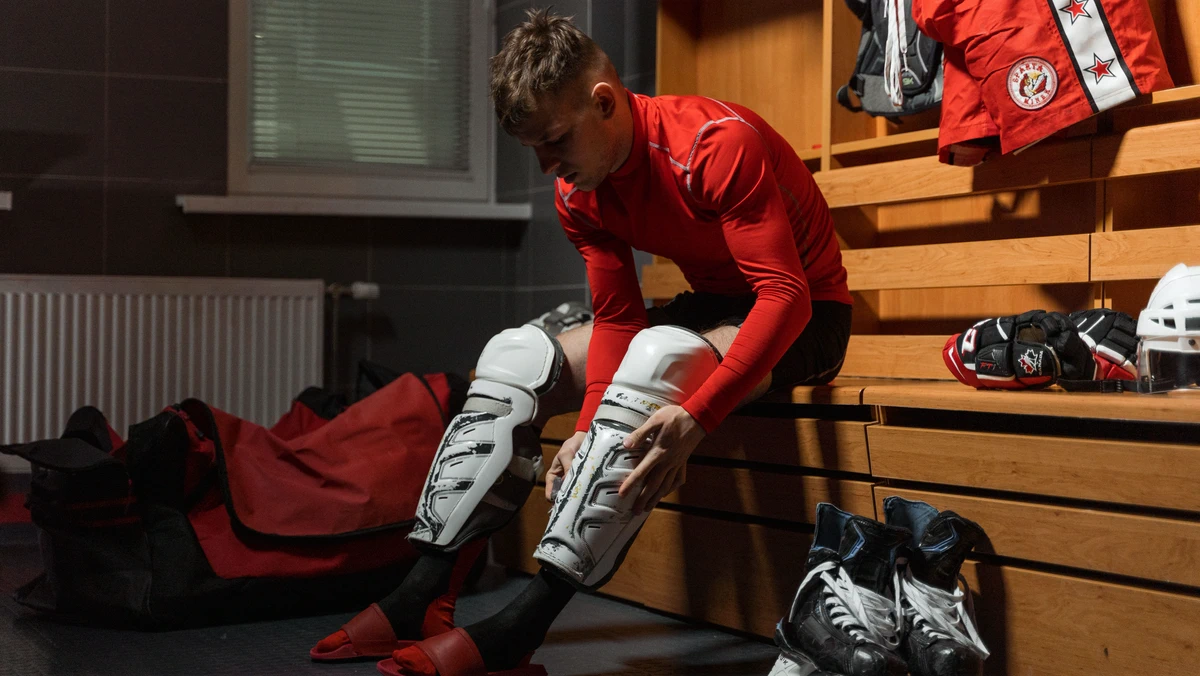
A result tells you what happened on one day. It rarely shows the weeks of learning behind it: the conversation after a mistake, the new approach that finally makes sense, or the decision to ask for help.
Those moments matter even when nobody records them. You do not have to turn every session into content to recognize your progress.
How to spot progress beyond results
Imagine a player who keeps losing possession when pressed. At first, they try to move faster. Their coach suggests scanning before receiving the ball. Over several weeks, they practise noticing a teammate earlier and choosing a simpler pass.
The next match may still end in defeat. Yet the player can describe something useful: what was difficult, what they changed and what they want to practise next. Your own progress might look different.
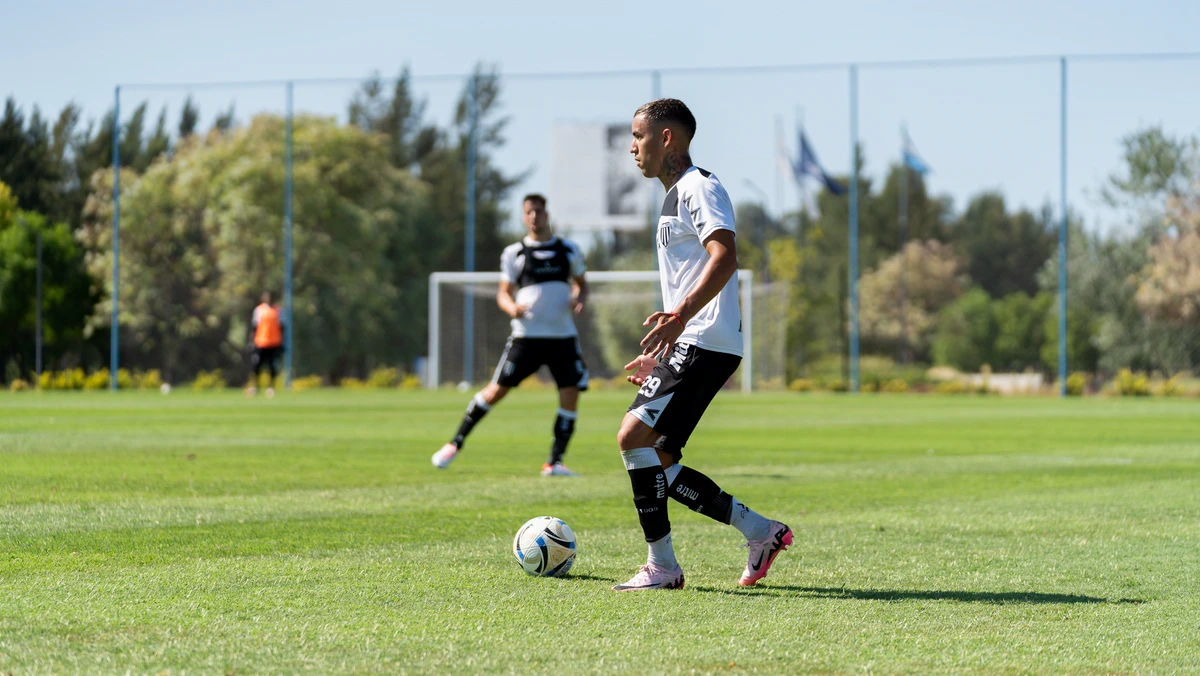
Progress can also mean communicating sooner, accepting feedback or recognizing when fatigue is affecting a session. A sensible recovery decision can be as valuable as another repetition. Training smarter includes planning recovery and discussing the whole week with your coach.
Keep a small record
After a session or competition, write three short answers:
- What changed? Describe one observable moment rather than judging the whole day.
- What did I learn? Include feedback that helped or a question you still have.
- What will I try next? Choose a manageable step to discuss with your coach.
For example: "I called for the ball earlier twice today. My teammate said the clearer call helped. Next session I will practise the same communication when I am tired."
After a few weeks, read back through your notes. What is getting easier? What keeps coming up? Patterns may be more useful than a daily score. You might notice something getting easier, a recurring obstacle or a reason to ask for support.
Choose what to share
A private training note and a public profile serve different purposes. You can share a relevant example without publishing health information, a teammate's story or a difficult personal experience. Ask permission before sharing identifiable details about others.
When you do share, give context. Explain your role and what the example demonstrates. Avoid presenting one selected moment as the whole story.
The Skills Sport Teaches You for Real Life shows how to turn an experience into a clear example of a transferable skill.
Let the process support you
Recording progress should help you understand your development. It should not become another performance target or a reason to add unnecessary training. A short note, a conversation or a quiet moment of reflection can be enough.
The moments nobody sees still belong to your journey.
After your next session, write down one thing you learned. Start there.