


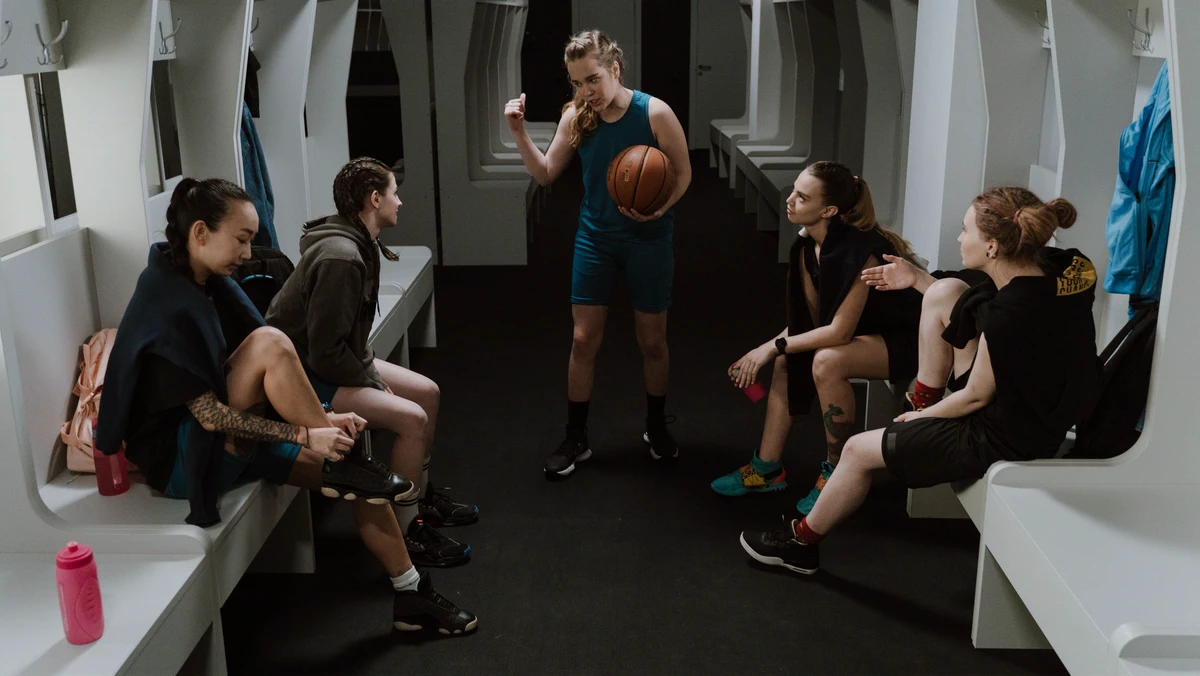
What if the skills you develop through sport are preparing you for far more than your next match?
Every training session, competition, setback and demanding season can teach you lessons that apply to education, work, relationships and everyday life. The challenge is recognising those lessons and understanding how to use them beyond sport.
Sport Teaches More Than Performance
Athletes often focus on measurable results: goals, points, wins, rankings and personal bests. However, some of the most valuable outcomes are not always visible on the scoreboard.
Sport can teach you how to stay disciplined when motivation is low, work with people who have different personalities, communicate clearly under pressure and respond when things do not go according to plan. It can also help you manage your time, balance competing priorities, accept feedback, make decisions quickly, recover from failure, stay focused on long-term goals and take responsibility for your actions.
Sport offers opportunities to practise these skills. They develop through reflection, feedback and support; taking part alone does not guarantee them.
How Sporting Situations Prepare You for Real Life
Think about what happens during a normal sporting journey.
You arrive at training even when you do not feel motivated. Over time, this develops discipline and consistency. You learn that progress often depends on doing the work even when you do not feel like it.
You make a mistake during a game. You learn how to recover, refocus and continue. This can help you deal with mistakes at school, at work and in everyday situations without allowing one moment to define you.
You work with teammates who think differently from you. Through this, you develop communication, patience and collaboration — qualities that are essential in almost every professional and personal environment.
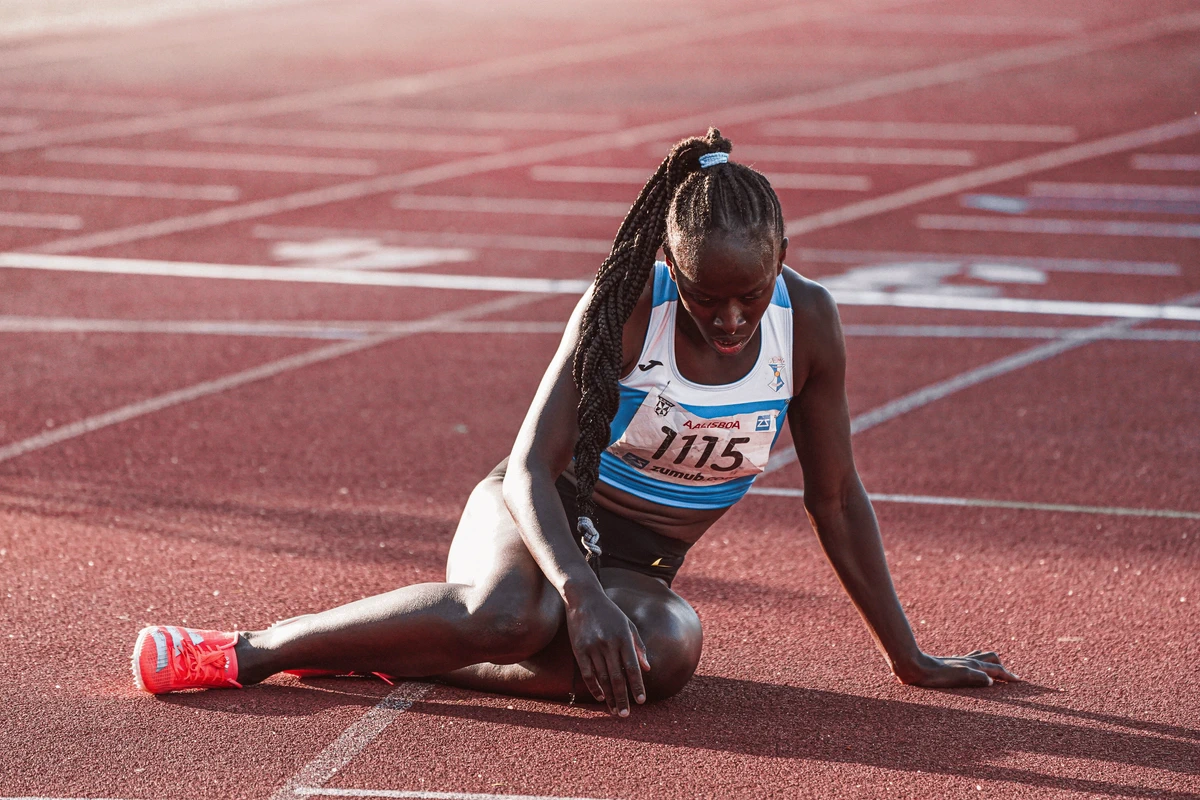
You lose an important competition. You learn how to handle disappointment, reflect on what happened and come back stronger. This is resilience in action.
You balance training, competitions, school and personal commitments. As a result, you develop organisation, prioritisation and time-management skills that become increasingly important as your responsibilities grow.
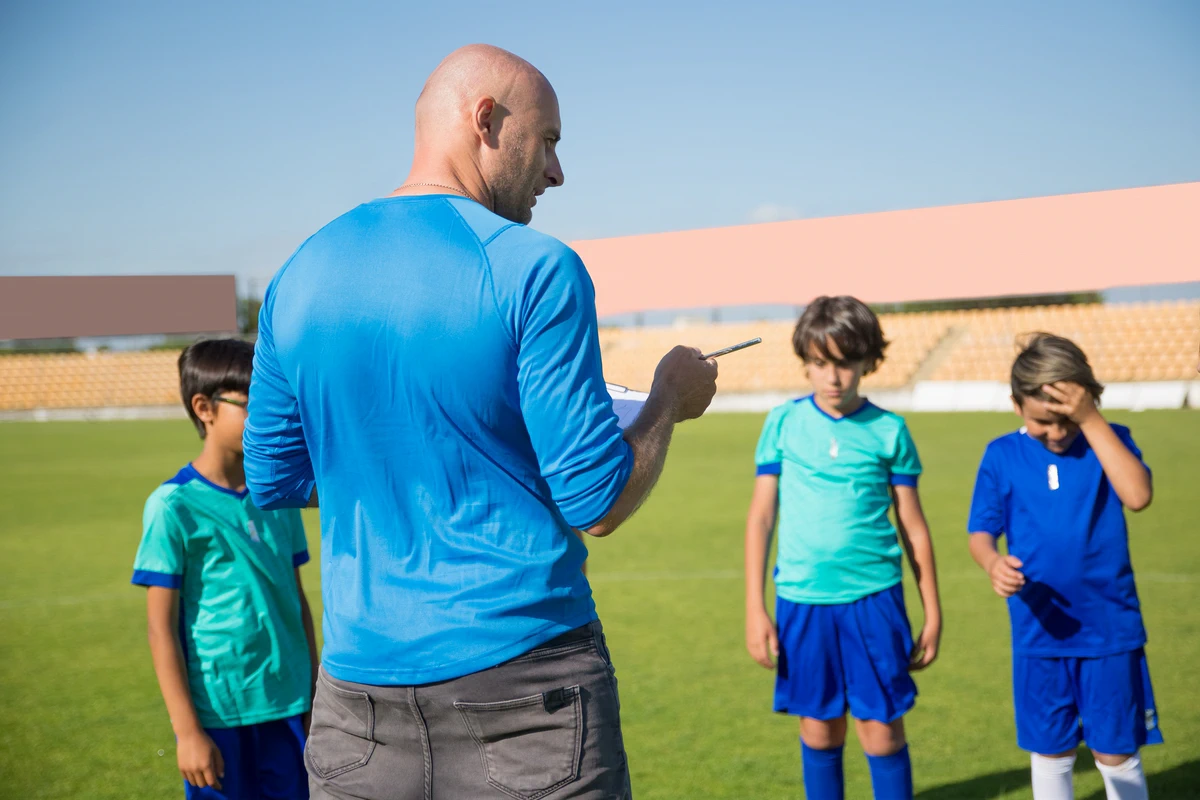
You receive criticism from a coach. You learn that feedback is not always personal and can instead be used as a tool for improvement.
Turn Your Experiences into Evidence
Recognising these skills is only the first step. The next is learning how to communicate them clearly.
Strong applications and profiles are built on evidence, not empty claims. Instead of simply describing yourself as disciplined, resilient or calm under pressure, show how you have demonstrated those qualities in real situations.
Think about moments from training, competition, school or everyday life that reveal your character. Describe the challenge you faced, the action you took and the result that followed.
Consider this illustrative example. "I am organized" tells a reader little. "During exam month I planned revision around three weekly team sessions, agreed priorities with my coach and handed in my school assignments on time" shows what you actually did. Use your own facts: a modest, accurate example is stronger than an inflated claim.
These examples help others understand not only what you can do, but how you respond when things become difficult. They show the qualities behind your achievements and the progress you are making as an athlete and as a person.
Ask Yourself What Sport Has Taught You
Take a moment to reflect on your own journey. Ask yourself what sport has taught you about commitment and how you respond when you fail or feel under pressure. Think about how you have learned to work with others, when you have had to take responsibility and how you react to feedback.
Consider the challenges you have overcome, the habits from sport that help you in everyday life and the kind of person you are becoming through your experiences.
Your answers may reveal strengths you have not recognised before.
Sport Is Preparation for Life
Your sporting journey is not only about becoming better at your sport. It is also helping you become more disciplined, adaptable, confident and capable.
These qualities can support you in almost any future path, whether you become a professional athlete, student, entrepreneur, engineer, manager or something completely different.
Sport is not separate from real life. It is one of the places where you learn how to handle real life.
Your next step
Think of one moment when sport challenged you. What happened, how did you respond, and what did you learn? Use those answers to add a real example to your TOD profile and show a strength that results alone cannot capture.
Need help choosing a moment? Read The Moments Nobody Sees to explore the everyday experiences that reveal your growth beyond the scoreboard.